
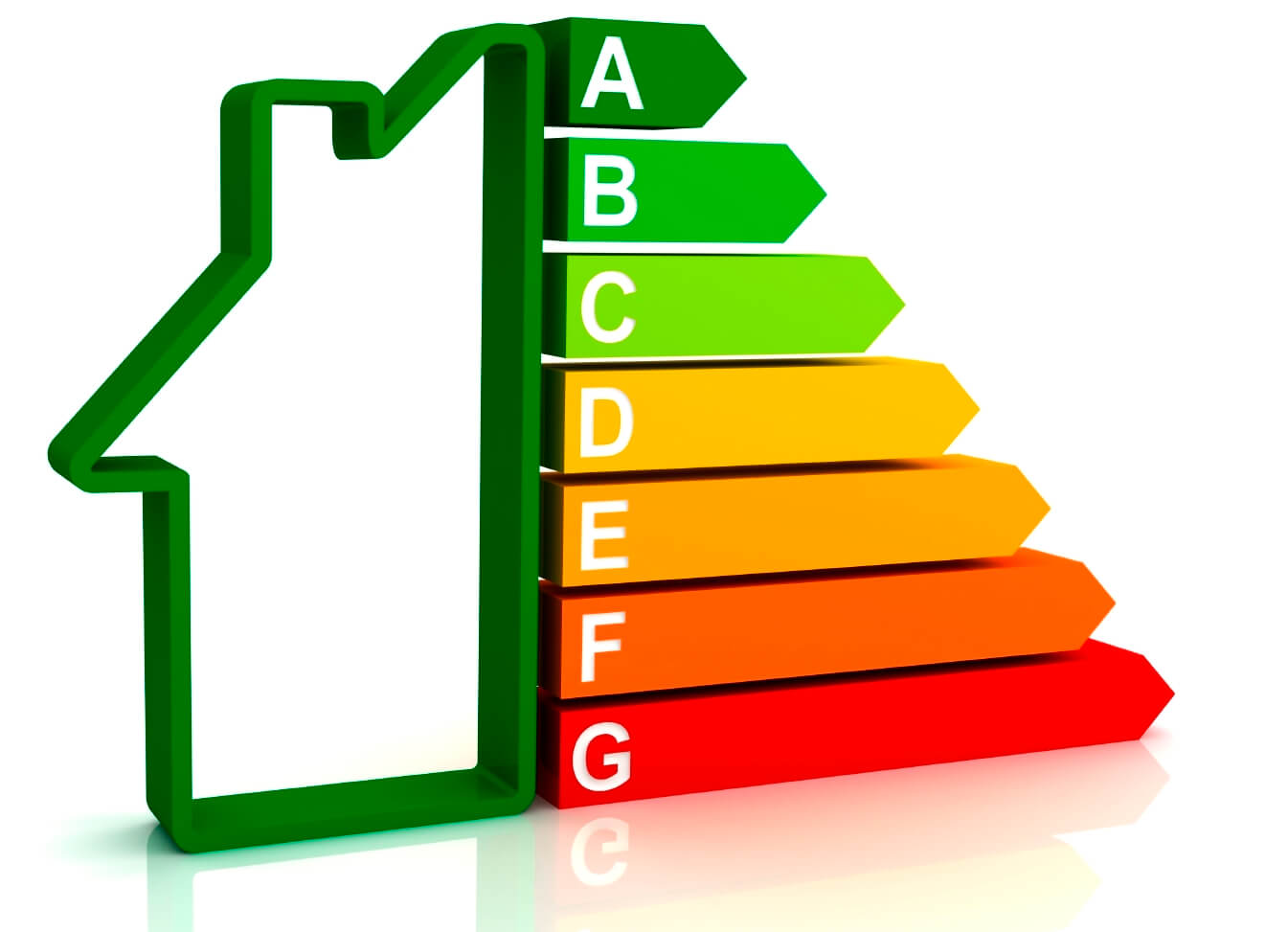
In a significant turn of events, just two weeks ago, the Prime Minister made a surprising decision to cancel plans to raise Minimum Energy Efficiency Standards (MEES). This decision has far-reaching implications, particularly for landlords and tenants alike. Now, landlords find themselves in a unique position where they are not legally obligated to agree to insulation works, even when government grants are available.
The MEES Cancellation: The decision to cancel the proposed increase in Minimum Energy Efficiency Standards has sparked a wave of discussion and debate. MEES were initially introduced as a measure to improve the energy efficiency of rental properties, with the aim of reducing carbon emissions and making homes more comfortable for tenants. The cancellation of these plans has left many questioning the government’s commitment to sustainability and tenant well-being.
Landlords’ Newfound Freedom: One of the most notable consequences of the MEES cancellation is that landlords are no longer legally obliged to consent to insulation works, even when government grants are readily available. This newfound freedom gives landlords greater discretion in deciding whether to invest in energy-efficient upgrades for their rental properties.
Impact on Tenants: With landlords no longer bound by MEES, tenants may face difficulties in convincing property owners to make energy-efficient improvements. This could mean that many renters miss out on the benefits of improved insulation, such as lower energy bills and increased comfort in their homes.
Government Grants in Limbo: The availability of government grants for insulation works was intended to incentivise landlords to invest in energy efficiency. However, with the cancellation of MEES, the future of these grants now appears uncertain. Landlords who were previously motivated by the prospect of government funding may reconsider their stance, potentially leaving tenants with limited options for improving the energy efficiency of their homes.